A Home That Grows With You
Moving can mean a lot more than changing your address.
It can mean leaving neighbours you know, local businesses you rely on, familiar routines and the community you have built around you.
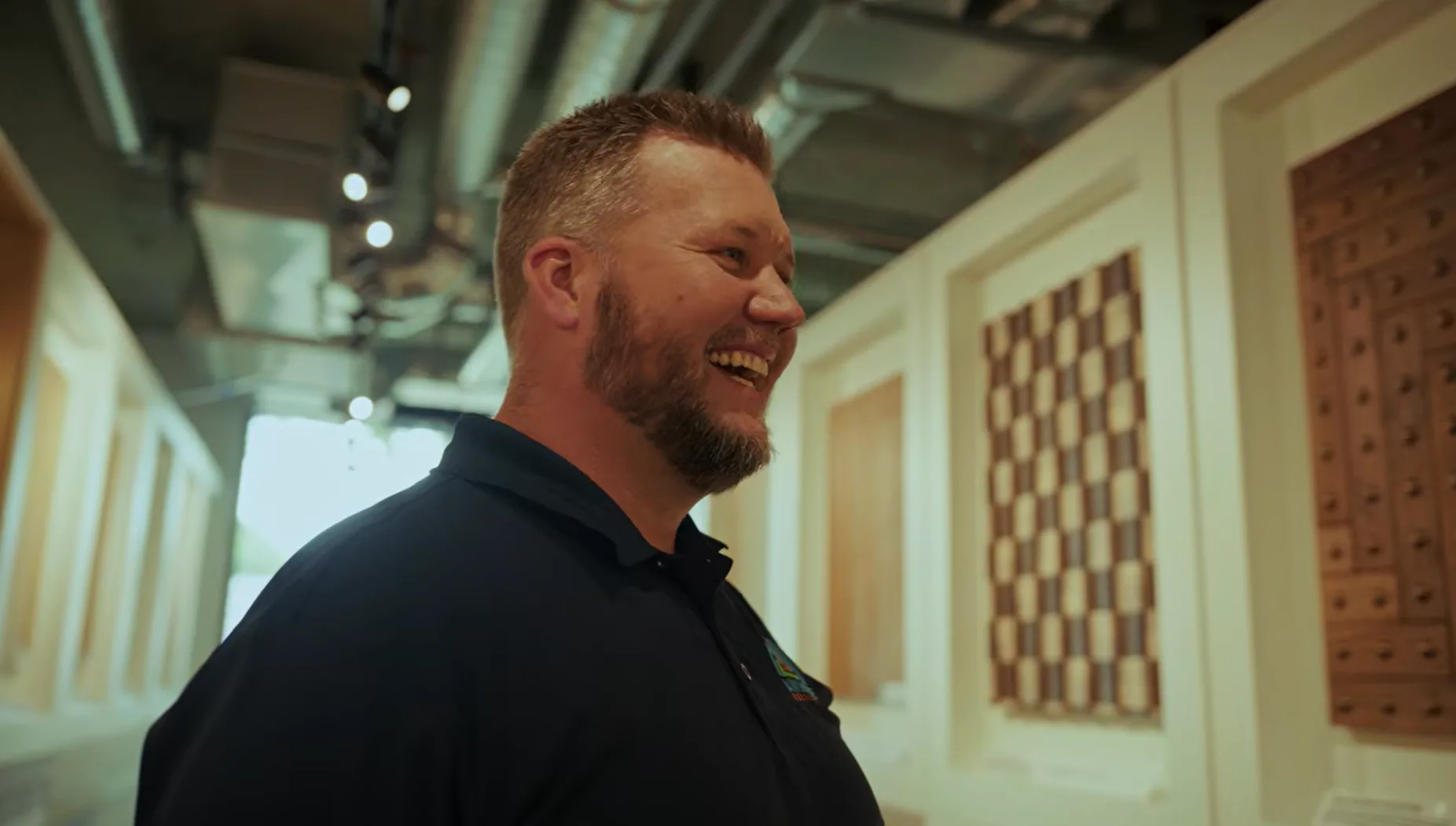
For Jeremy Pasieka, Director and General Manager at Awlridge Renovations, that is one of the reasons renovating an existing home can be so meaningful. Sometimes the house itself is still in the right place — it just no longer works quite the way it needs to.
A growing family may need an open kitchen and living area. Empty nesters might realize they are only using half the rooms in their house. And as life changes again, stairs, bathrooms or narrow layouts that once worked perfectly can become frustrating or difficult to navigate.
Renovation gives homeowners another option: adapt the home instead of leaving it behind. “You don’t just lose your house when you move,” Jeremy said. “You lose your neighbours, the local businesses you’re familiar with, trusted doctors and your routine.”
Designing for the next stage of life
Rather than waiting until a home becomes difficult to use, thoughtful changes can help it continue working as a homeowner’s needs evolve. That might mean replacing a bathtub with a walk-in shower, adding better lighting, widening a doorway or rethinking a floor plan so the most-used spaces are easier to move through.
But there is no standard checklist. “Accessibility is quite personal,” Jeremy said. “There isn’t a blueprint or one-size-fits-all approach.” Even small details matter. The side someone naturally reaches for a light switch, how they move through a kitchen or where they need support can all influence the design.
The goal is not to fill a home with obvious accessibility features. It is to understand how someone actually lives and make changes that feel natural, useful and comfortable.
Making better use of what is already there
Renovation can also help homeowners see new potential in a house they thought they had outgrown.
Jeremy often meets people who feel they have outgrown their layout or are only using a small portion of their home. Separate dining rooms, living rooms and family rooms may have worked well years ago, but can feel disconnected when the whole family comes over.
In those cases, opening up a floor plan or rethinking how rooms connect can completely change how the home functions without changing the neighbourhood outside the front door.
That ability to work with what is already there is a big part of what renovators bring to the housing conversation. For Jeremy, some of the most rewarding projects are the ones where homeowners begin the process thinking they may need to move — and finish it realizing they can stay. “There’s a sense of life-changing relief,” he said. “You’re giving someone a home that better matches their family, their lifestyle and their situation.”
When you are trusting a renovator with one of your most valuable assets and asking them to adapt it for the next stage of your life, you want to know the work is in good hands. RenoMark helps homeowners identify professional renovators who have committed to a national Code of Conduct and Code of Ethics, written contracts, warranties and ongoing industry best practices. It gives homeowners an added level of trust while helping raise the standard of professionalism and quality across the industry.
Because a home does not have to stay exactly the same to remain home. Sometimes the best way to plan for the next chapter is to build on what is already there.