
Where can you find the best samosa in town? How about lamb kebabs, or fried spring rolls? Chances are you can find a lot of them in south Edmonton, where the changing face of the city’s suburbs has not only brought in a tasty smorgasbord of international foodie delights but a new appreciation of how these communities outside the city core have become vibrant, thriving, culturally attuned places to live.
Edmonton’s suburbs may have been unfairly dismissed in the past as drab, and even soulless, filled with cookie-cutter homes and McMansions. But in recent years, they have become the top choice for many of Edmonton’s newcomers where they can plant their roots and build their lives. They have injected a sense of excitement in these neighbourhoods and a strong community building spirit that mirrors Edmonton’s small-town values of its pioneering past.
Edmonton has been attracting a rising wave of migrants – either from other Canadian provinces or other countries altogether – and they are bringing with them their cultures and values that weave the vibrant tapestry of what makes up today’s communities.
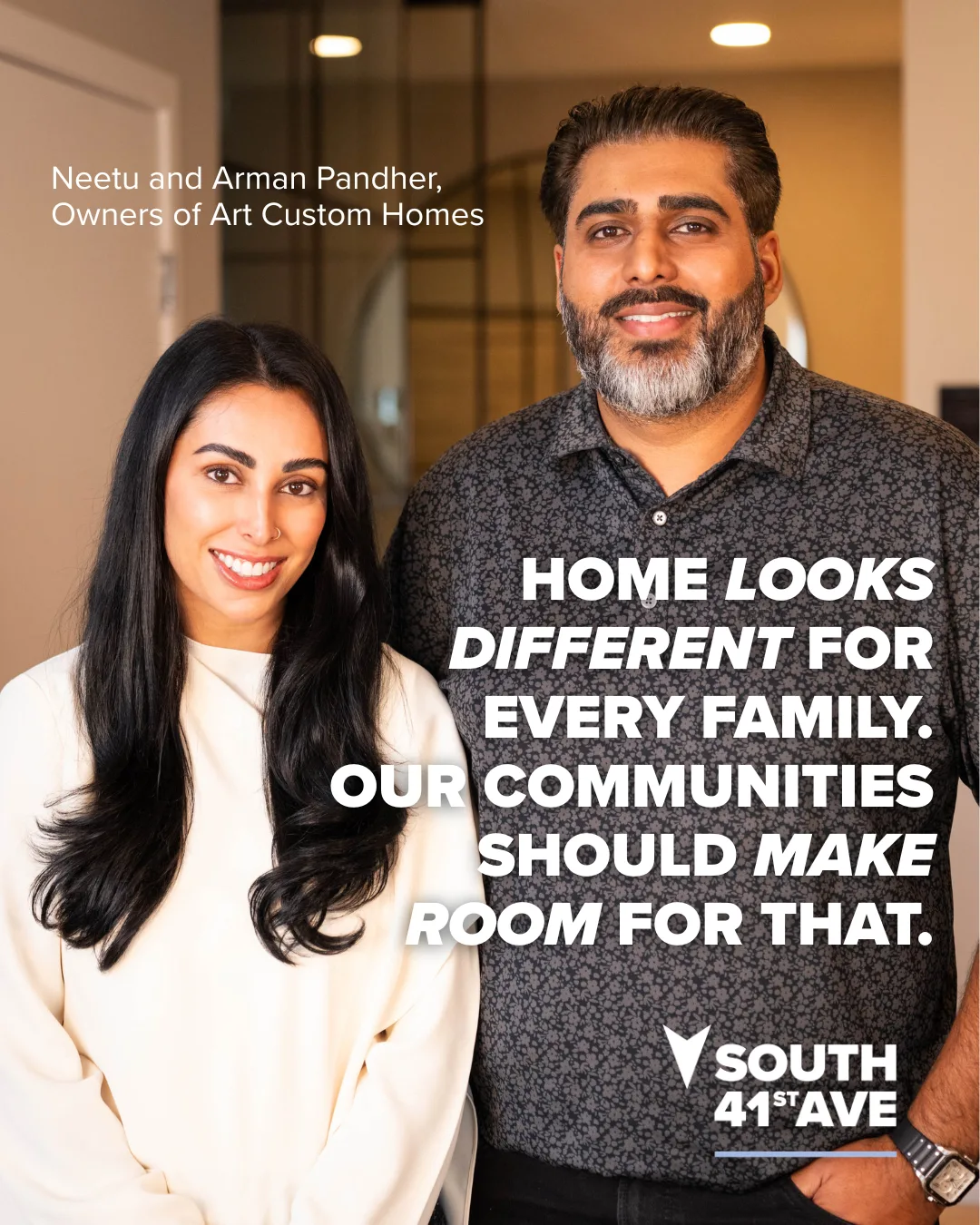
Unlike in the past, this wave of immigration is largely attracted to life in the suburbs rather than in places nearer downtown.
“Today’s immigrants moving to major Canadian metro cities are moving to the suburbs. This is not like Toronto or Montreal of old, where there would be the Little Italy and the Chinatown where people would move to the central city,” says BILD Edmonton Metro CEO Kalen Anderson.

“New generations of Canadians who are arriving are moving to brand new neighbourhoods, typically, and communities also want to co-locate for cultural reasons, family reasons, religious reasons. And just to build a good, strong network,” she says.
Edmonton has already been leading major Canadian cities in growth, with the Edmonton Census Metropolitan Area (CMA) surpassing 1.5 million residents (with the total metropolitan population reaching closer to 1.7 million). That is an annual population growth rate of about 3.1 per cent.
Also, between July 2024 and July 2025, Edmonton recorded 11,742 net interprovincial migrants, overtaking Calgary as the top destination in Canada for people moving from other provinces. Major hubs like Toronto, Montreal, and Vancouver lost residents during this same window.
“Almost all newcomers are settling in new suburbs in the southeast, southwest, and west sides of Edmonton,” says Dr. Sandeep Agrawal, founder of the University of Alberta’s School of Urban and Regional Planning. “This pattern mirrors what we’re seeing across Canada: the suburbanization of new immigrants.”
And why are they moving to the suburbs? Dr. Agrawal says it is because of affordability, community networks, and culturally attuned services. “From a planning perspective, growth is often a good problem to have. It means people see opportunities in a place. They are moving there to work, study, raise families, and build their lives.”
At a recent appearance at the Real Talk with Ryan Jespersen podcast, Agrawal says suburbs are where Canada lives now. “It’s where you get the best food, where you can make connections.”
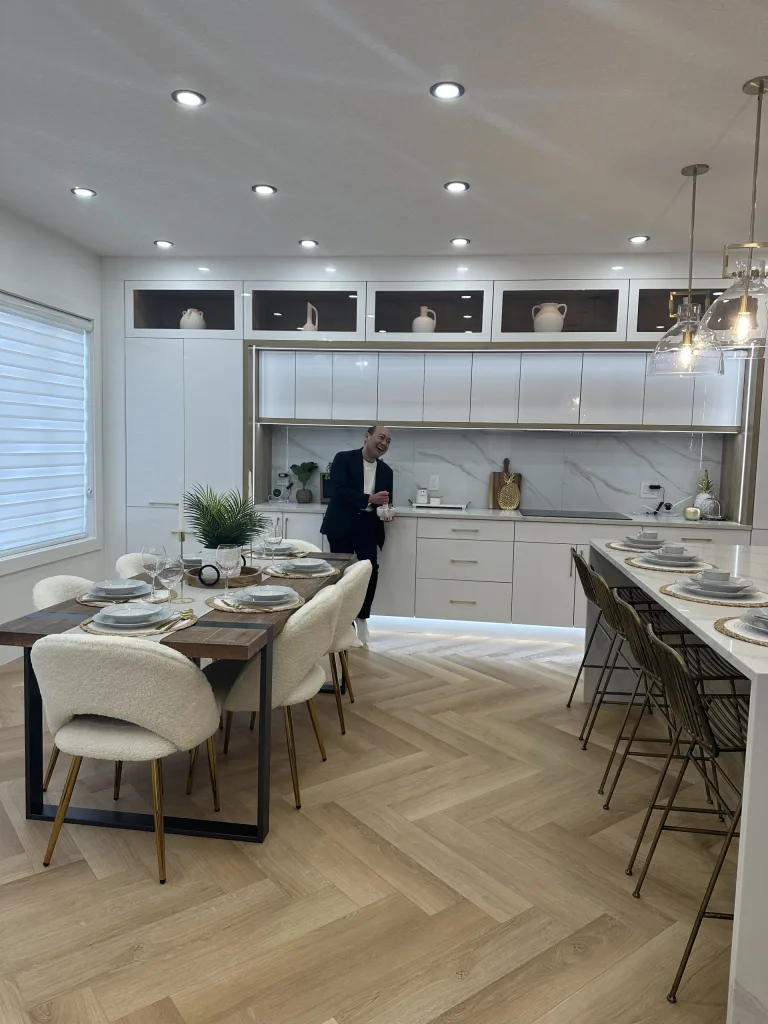
That influence is also reflected in the wide diversity of home designs of the home itself, which has added a distinct flavour to these new communities, and homebuilders and land developers are catering to these emerging needs.
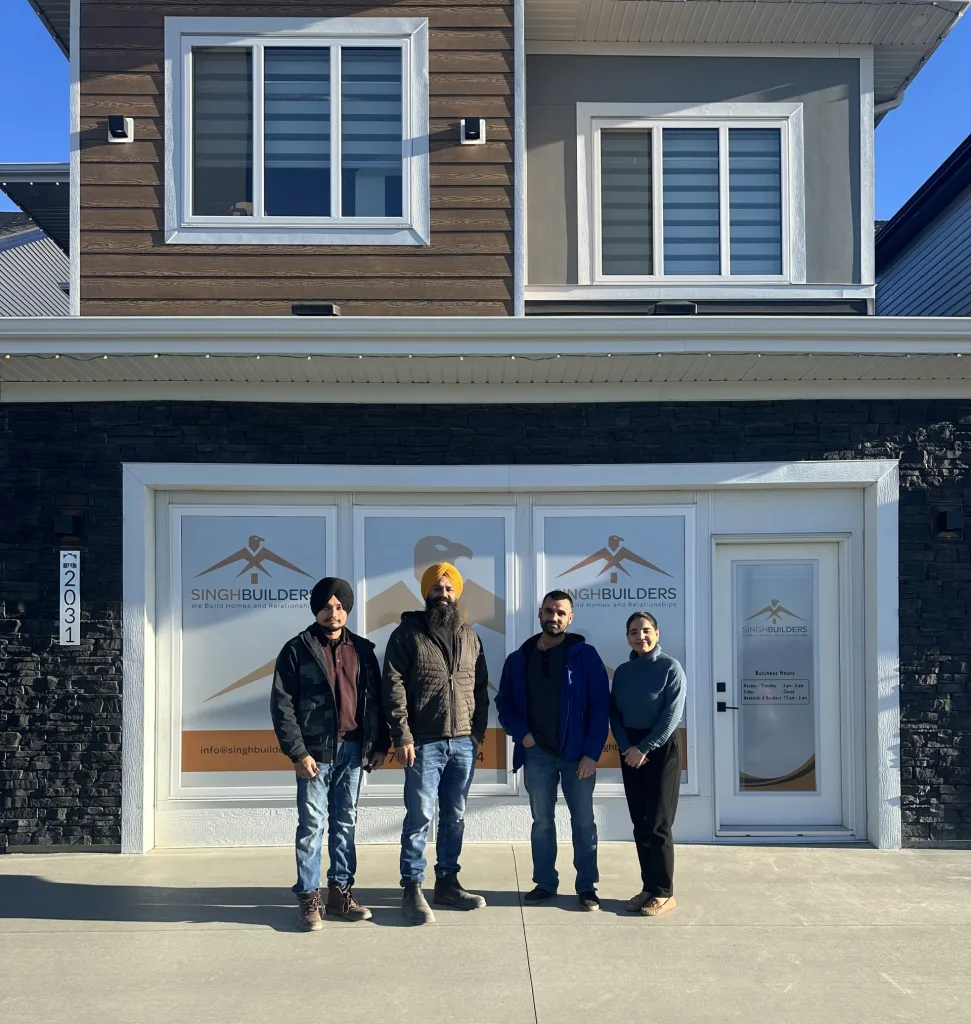
At the same podcast, Mandeep Bath, CEO of Singh Builders, says 50 per cent of the 150 homes they build in a year are in South Edmonton, and she says the one-size-fits-all approach to building homes no longer works. “Builders should be more creative and have homes designed to fit various lifestyles.”
Some homes now come with spice kitchens that many South Asian families demand, or main floor bedrooms to address the multigenerational needs of households that have extended family living with them.
Many builders have four-bedroom floorplans with the flexibility to even turn this into six or seven bedrooms with the development of the basement, which is just what migrant families are looking for to turn into a rental space or to accommodate more family members.
Anderson stressed that giving homebuyers the opportunity to choose where they live and what type of home they live in is critical, and this is what the development of lands south of 41st Avenue will bring.
“So, when we think about who we’re serving, we’re serving young people who are in family formation stage, they might be multigenerational households, and they’re connecting with their cultural community to build the best life that they can in Canada,” Anderson says. “And that’s happening right here where we stand today.”
But the stark reality is that Edmonton is fast running out of developable land where these communities can thrive.
Anderson was speaking at a joint press conference earlier this month with CREDA Edmonton Region Executive Director, Robynn Holstein, and Edmonton Chamber of Commerce Vice President, Heather Thompson. They are pushing for the approval of planning to begin the development of lands south of 41st Avenue that they feel is critical for Edmonton’s continued growth.
The approximately 9,000 hectares of land were annexed in 2019 and have lain unused since. They say further delay in the process may compromise Edmonton’s future growth and are pushing for approval for planning when the issue is discussed in Council in the first quarter of 2027.
Starting to plan now to develop lands south of 41st Avenue gives Edmonton the room to grow, while still giving homebuyers a choice of where they want to live.
“Some people do want to live downtown; some want to live in infill some like Fort Saskatchewan, and some want to live in South Edmonton,” Anderson says. “So, the people who want to live in South Edmonton are not going to make a different choice to move to St. Albert. They are not the same cohort, nor are they going to be the ones to move into a multiplex housing unit in a mature neighbourhood, or to live on a high rise downtown. There is a cohort of people who want to live here for a very specific reason.”
She points out that community has been built successively over different waves of immigration from across the world, and recently from other Canadian provinces, most notably from Ontario and British Columbia. “And people are coming here because they’re voting with their feet, their heads, and their hearts, for a place that will give them a better bet on life. And our affordability advantage is critical to that.”
Find out more about the impact the decision involving development of lands south of 41st Avenue BILD Edmonton Metro’s This Is Where We Land campaign.