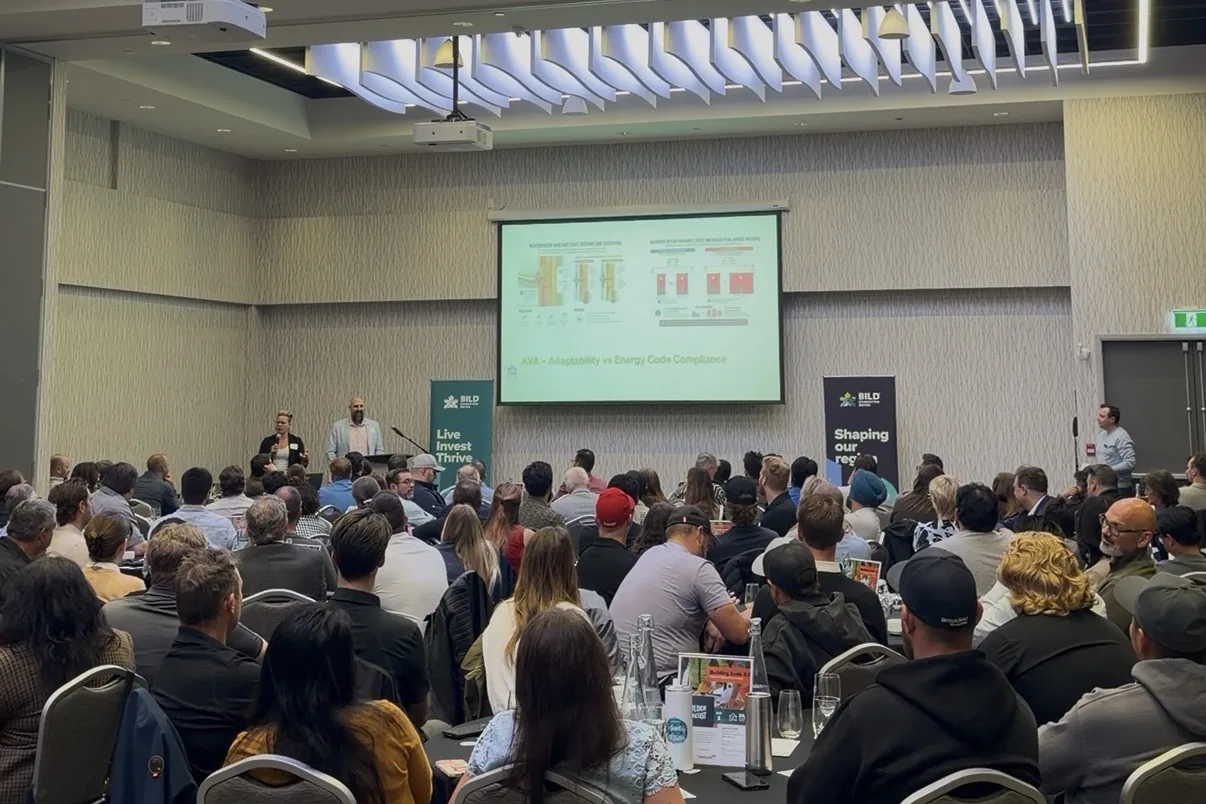
Change is coming to the way homes are designed, built and renovated and for BILD Edmonton Metro members, understanding what could be ahead is an important first step in preparing for it.
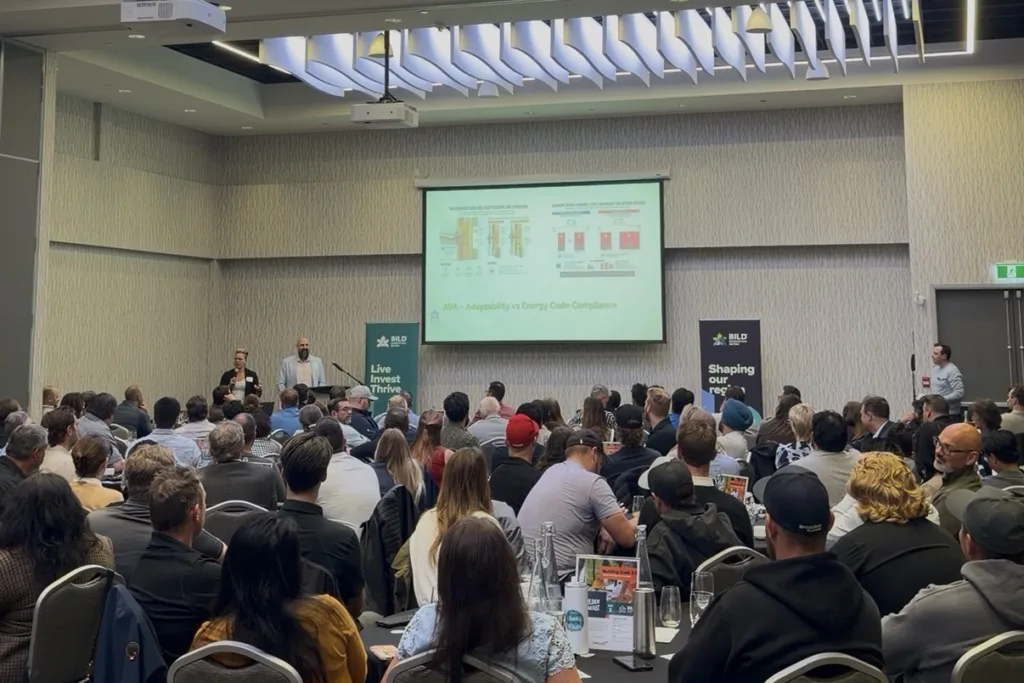
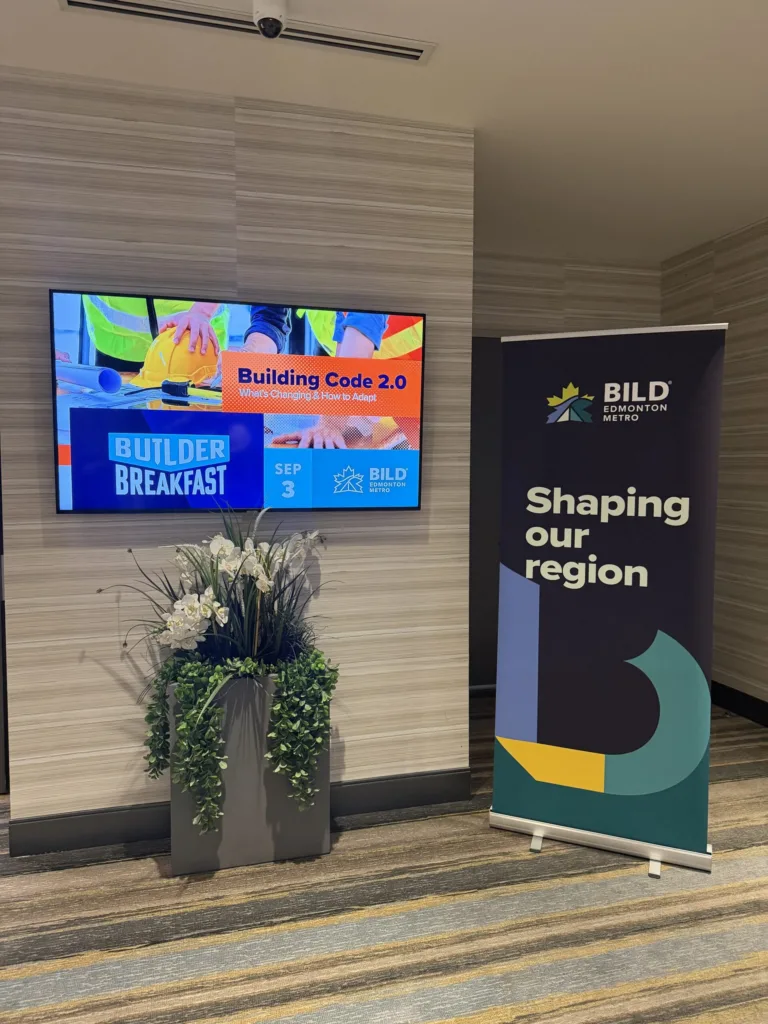
That is part of the purpose behind BILD Edmonton Metro’s Builder Breakfast series: bringing industry professionals together for practical conversations about the issues that directly affect their businesses.
Our September Builder Breakfast, the conversation focused on one of the biggest regulatory shifts currently facing the residential construction industry: the 2025 National Building Code (NBC).
The 2025 National Construction Codes were published in December 2025. Under Canada’s construction code harmonization agreement, jurisdictions are working toward greater consistency in how codes are adopted across the country. Alberta’s timeline for adopting its next provincial building code edition, however, remains unknown.
While we do not yet know which provisions Alberta will adopt, understanding what has been published can help builders prepare.
More accessible and adaptable homes
One of the most significant changes discussed was the introduction of new Accessibility, Visitability and Adaptability (AVA) requirements.
Under the national model code, exemptions for most residential dwelling units have been removed. Adaptability provisions are intended to apply broadly to newly constructed dwelling units, while visitability requirements would apply where directed by government regulation.
For builders, this could mean wider entrance clearances, added bathroom backing for grab bars, and new requirements for controls and electrical receptacles.
“If you can work with your consultants earlier in the design process, there may be opportunities to make choices that reduce some of the impacts and balance cost with design,” said Amelie Caron, Principal at EcoSynergy.
How will this affect you?
Some home designs may need to change, particularly around entrances and bathrooms, with impacts to materials, installation and cost.
Designing for future climate conditions
The code also introduces updated climatic data and new approaches to structural calculations, including projected temperature, snow, wind, rain and moisture conditions looking roughly 50 years into the future.
It also expands lateral load requirements to better address wind and seismic forces, particularly in homes with narrower footprints, open-concept layouts and larger window and door openings.
“These requirements were added to address the way modern homes are being designed — narrower, longer, more open concept and with larger openings,” said Greg Stanley, Director of Building Science at BILD Alberta.
How will this affect you?
Builders may need to revisit window and door placement, wall construction and structural details. Companies with standard home models could see changes across multiple designs.
Changes below, above and around the home
Other changes include radon mitigation and building-envelope requirements.
The national model code introduces a passive radon stack vented through the roof, along with new water protection and insulation requirements around window and door openings.
How will this affect you?
Builders may need to plan these details earlier, including space for radon systems and changes to window and door installation.
Preparing before the rules arrive
Energy efficiency is another major area of change, with new compliance pathways, a points-based approach and provisions related to operational greenhouse gas emissions.
If all highlighted changes were adopted, the presentation estimated additional construction costs of approximately $18,000 to $40,000 for a 2,500-square-foot single-family home. Combined with progression to Energy Tier 5, costs could rise considerably.
Those estimates reinforce why understanding the changes early matters before they affect designs, budgets and jobsites.
A big thank you to Greg Stanley, Director of Building Science at BILD Alberta, and Amelie Caron, Principal at EcoSynergy, for walking members through the key changes in the 2025 National Building Code and what they could mean in practice, and to Adam Kerr, Policy & Development Lead at BILD Edmonton Metro, for moderating the conversation.
As Alberta determines its approach to the 2025 National Building Code, BILD Edmonton Metro will continue watching developments and helping members understand what comes next.