Canada is preparing to spend hundreds of billions of dollars to reshape its defence capabilities and with military bases, an international airport, industrial capacity and a direct connection to the North, the Edmonton Metro Region has a case to make for its share.
The opportunity is coming. The bigger question is whether we wait for it to find us — or decide what we want to build around it.
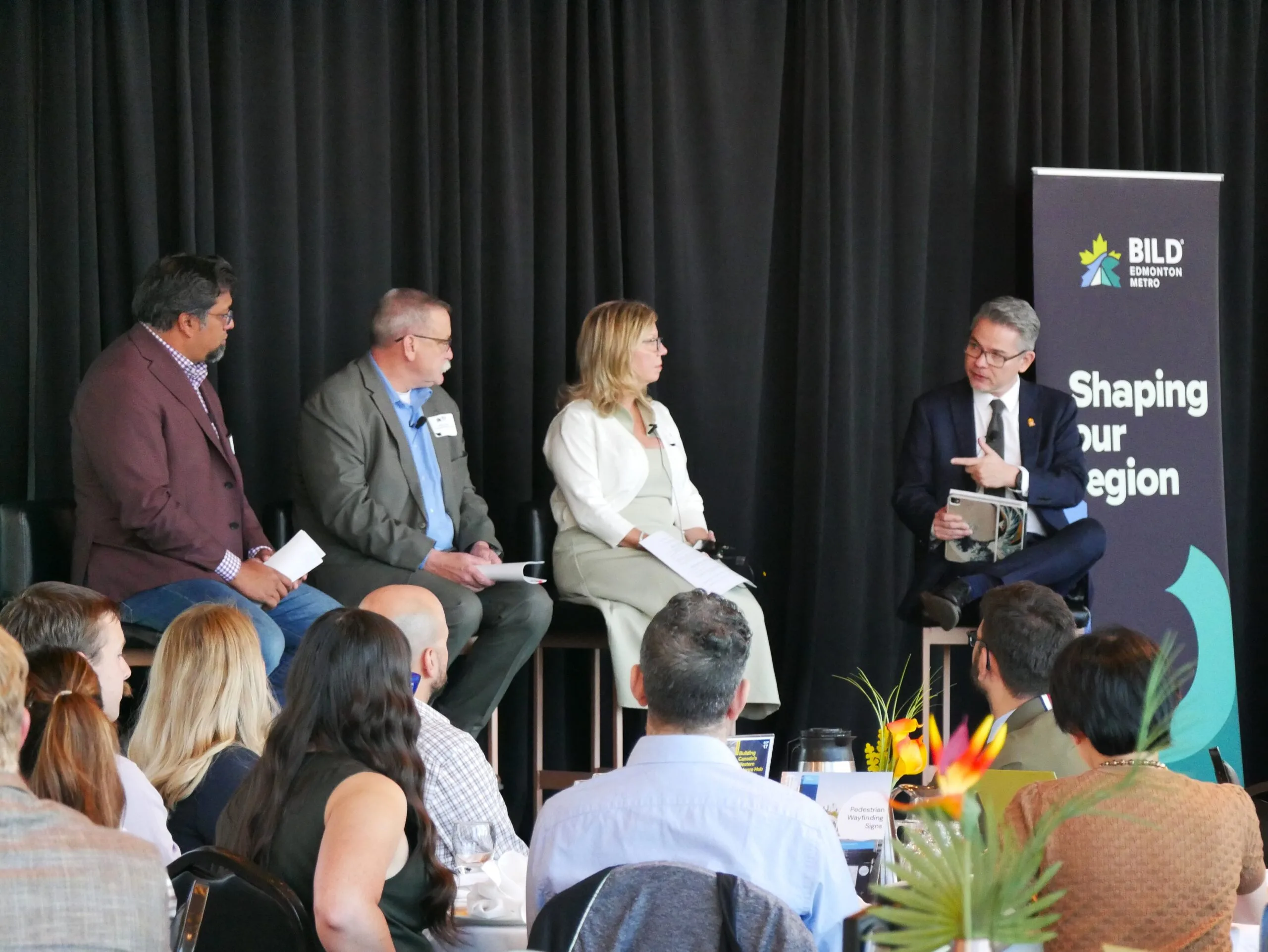
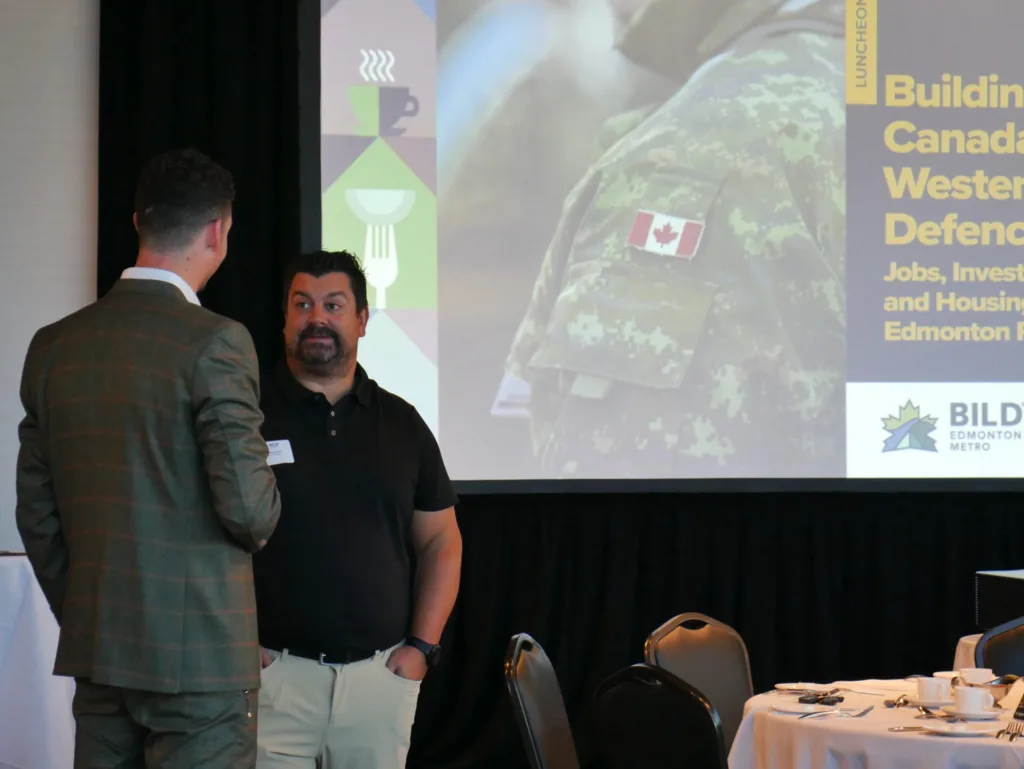
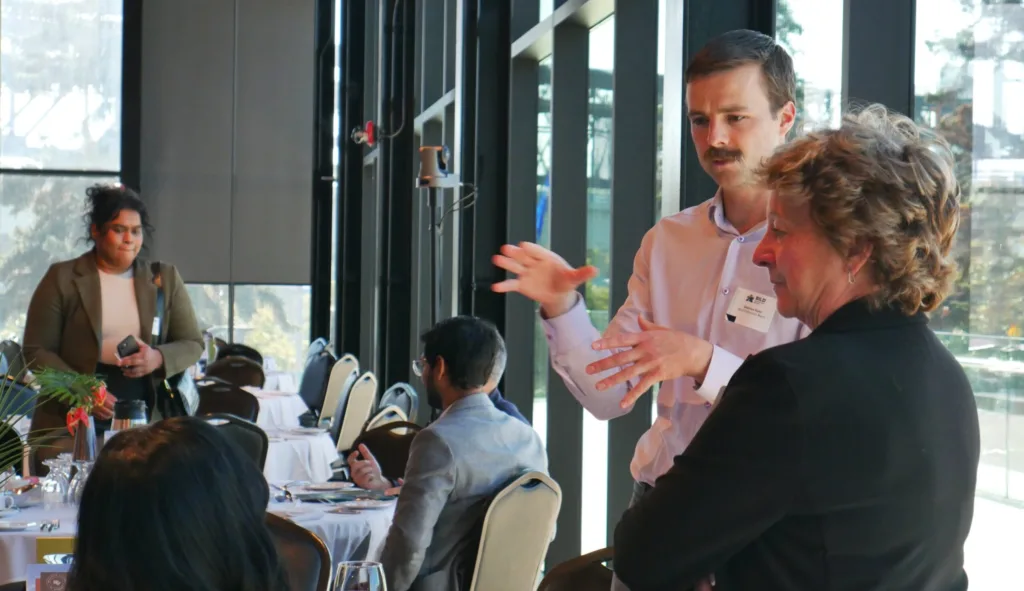
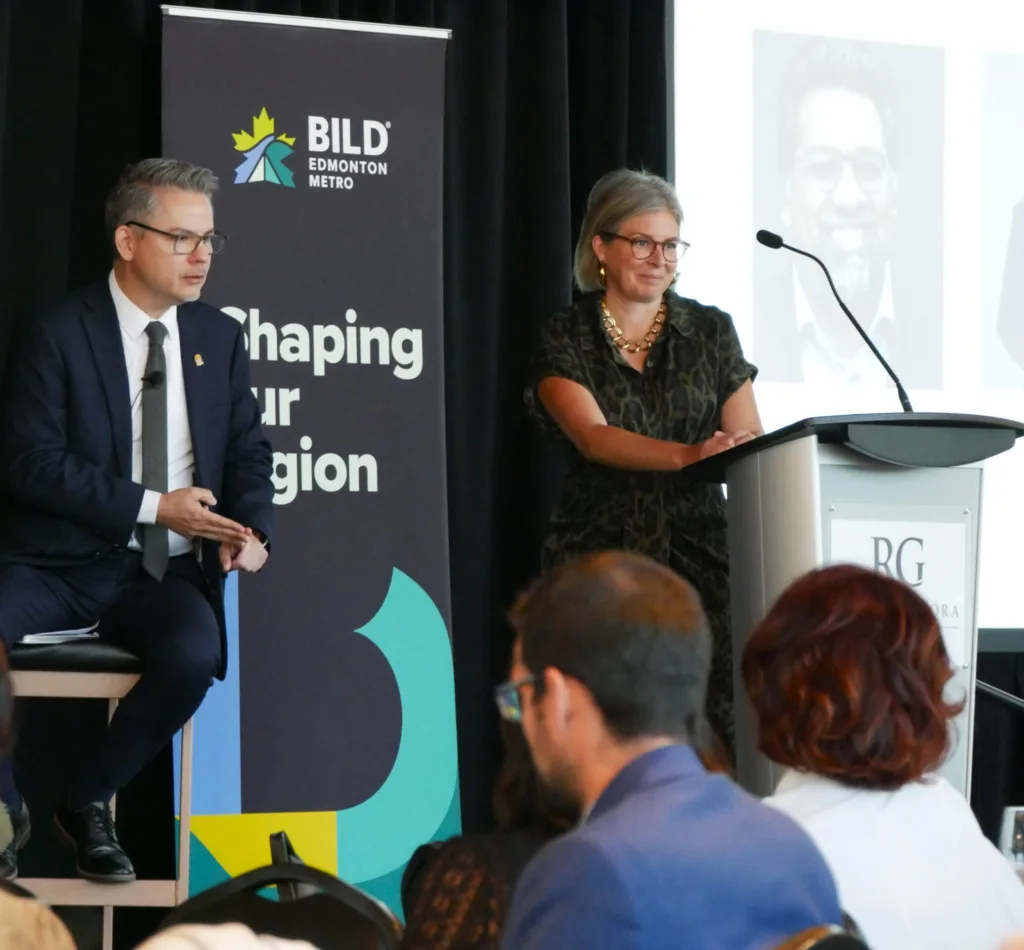
That was at the centre of the conversation at BILD Edmonton Metro’s “Building Canada’s Western Defence Hub” luncheon, which brought together 160 regional leaders and industry experts to unpack what Canada’s renewed focus on defence could mean for the Edmonton Metro Region.
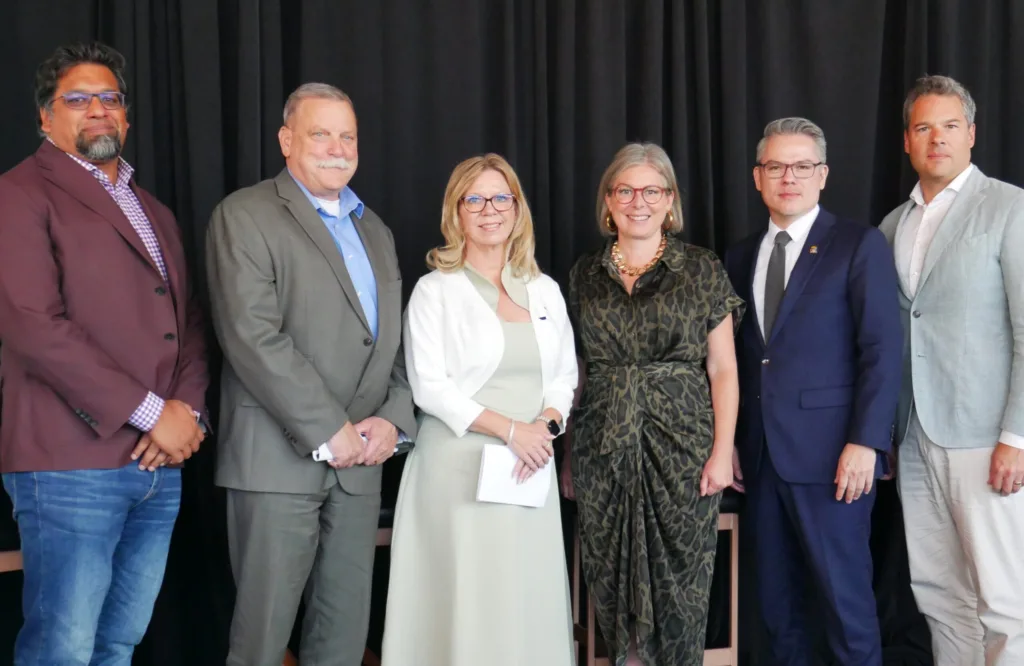
Moderated by Rohit Gupta, President of Rohit Group of Companies, the panel brought together Edmonton City Councilor Aaron Paquette, Daryn Edgar, CEO of Edmonton Global, and ISP’s Managing Partner, André Corbould to look beyond the headline spending announcements and ask a more practical question: what does this opportunity mean for the people, businesses, and communities that will need to support it?

Firstly: Why the Edmonton Metro Region?
The region already has a significant defence presence anchored by Canadian Forces Base (CFB) Edmonton, with other major military activity across Alberta in Cold Lake, Wainwright and Suffield. Edmonton also adds another piece, with aviation and defence activity around the Edmonton International Airport.
The federal government’s new Defence Industrial Strategy shows how big this opportunity could be.
According to Integrated Strategic Partners, over the next decade, Canada anticipates approximately $180 billion in defence procurement and $290 billion in defence-related capital investment, along with an estimated $125 billion in downstream economic benefits by 2035. The federal government is also projecting the creation of up to 125,000 high-paying jobs nationally.
The strategy establishes a goal of awarding 70% of defence acquisitions to Canadian firms, supported by a “Build in Canada” approach that prioritizes domestic companies where Canadian capability already exists.
Defence growth does not stop at the base
When people hear “defence spending,” it is easy to picture military equipment, but this growth may become a much broader city-building conversation.
More military personnel means more families. More companies entering the region means more workers. Those workers need homes, schools, recreation, services, and transportation. Businesses need industrial land, utilities, warehouses and offices. Suppliers need places to operate and connections to move goods.
The federal strategy itself recognizes those downstream effects. An analysis by ISP shows the wider impacts extend to workforce development, infrastructure planning and regional economic development as important considerations, with potential opportunities for municipalities around industrial land-use planning, advanced manufacturing clusters, workforce training and emerging defence supply chains.
As André Corbould said during the luncheon, “military families often look first at things like schools, neighbourhoods and the needs of their family, particularly when a posting may only last a few years”.
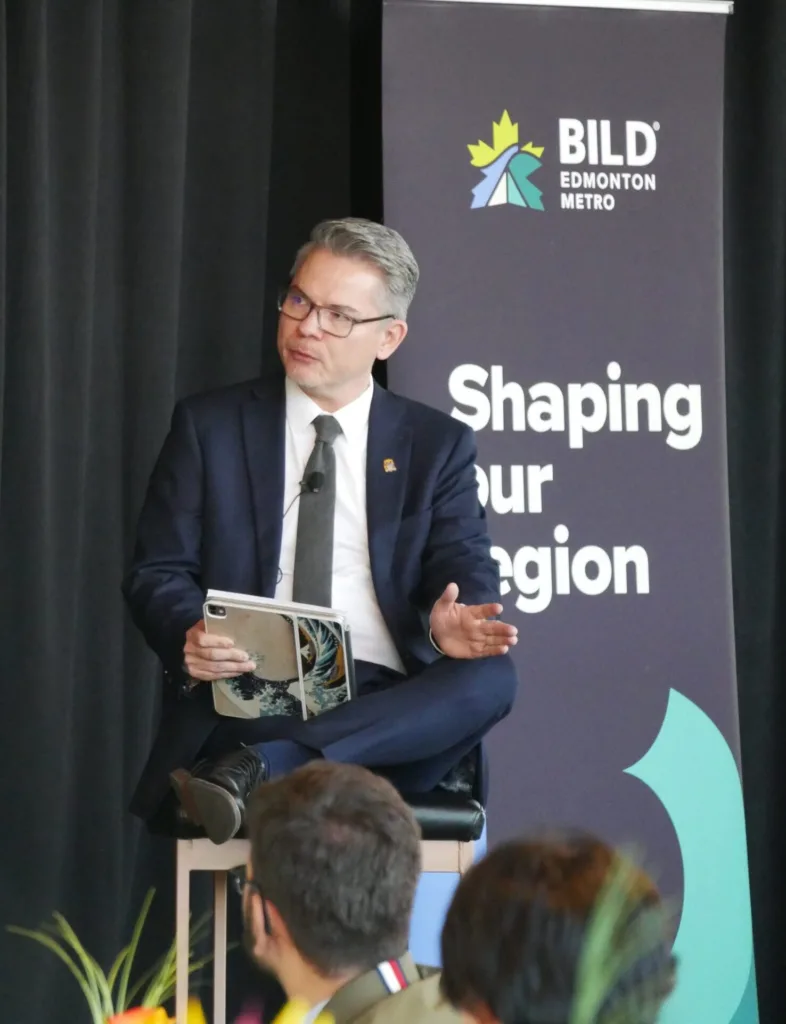
Councillor Paquette pointed to the scale of that potential growth, noting that the Edmonton CMA is already seeing more than 20,000 housing starts, with another 5,000 anticipated as people arrive because of the defence sector.
“The opportunity in Edmonton and the region hasn’t ever been better,” he said. “That’s huge.”
That raises another question for the homebuilding industry: what kind of housing will they want?
A household expecting to stay for three or four years may make a different housing decision than someone planning to spend decades in a community.

The opportunity will not land in only one municipality
Morinville, St. Albert, Sturgeon County and other communities north of Edmonton may all be well positioned to attract new residents because of their proximity to the base.
To the south, Edmonton International Airport and aviation-related defence investment create another potential growth node around the Leduc region.
That means municipalities across the region are competing for the opportunity.
Communities that can offer available land, housing choice, infrastructure and efficient development processes could have an advantage in attracting both companies and workers.
During the discussion, panellists raised everything from transportation connections and Highway 28 to utilities, schools, industrial development and the infrastructure needed to connect Edmonton more effectively with Cold Lake and the North.
These issues matter if the Edmonton region wants to actively shape the growth, not just react to it.
Waiting is a strategy too — just not a very good one…
One of the strongest themes to emerge from the conversation was the danger of waiting.
“Our competition is the world, but our competition is also other Canadian cities,” said Daryn Edgar.
For Edmonton, that means having a clearer story about what sets the region apart. “Everyone says the same thing — we have land, skilled labour and educated people. The challenge is telling our story faster and better than others.”
There can be a tendency to hear about a major federal investment, wait to find out exactly what it means for Edmonton, and then respond once the details are known. But by then, other regions may already be positioning themselves.

Councillor Paquette urged the audience, industry, and public sector to take a proactive approach during the discussion, arguing that “the region has an opportunity to be more proactive and to tell governments and industry what Edmonton can do rather than waiting for someone else to define the role for us”.
In other words, the region does not need to know the exact location of every future contract before deciding what it wants to be good at.
As Edgar pointed out, there is an opportunity to work together now—to build partnership models, anticipate challenges, and develop solutions in advance so the region is ready to act when investment arrives.
The opportunity is bigger than the first contract
For BILD members, participating in this economy does not necessarily mean contracting directly with the Department of National Defence.
André emphasized that “many businesses are more likely to participate through the companies delivering the major projects”.
That means understanding who is delivering the work and how to get into those networks may be just as important as understanding what Ottawa is spending.
The federal strategy is also creating mechanisms intended to bring more businesses into those supply chains, including a $379.2-million Regional Defence Investment Initiative for small and medium-sized businesses, alongside investments in commercialization, technology and supply-chain resilience.
That matters because many Edmonton-region businesses may already have expertise that can translate into the defence sector even if they have never considered themselves “defence companies.”
Construction. Engineering. Manufacturing. Logistics. Energy. Technology.
Edmonton has seen this pattern before
The defence opportunity is different, but the economic pattern could be familiar.
Edmonton’s historic role as the Gateway to the North could also become increasingly relevant as Canada places greater emphasis on Arctic security and northern infrastructure.
How ambitious do we want to be?
As the panellists shared, we do not know exactly how much of Canada’s defence spending will ultimately land in the Edmonton Metro Region, but we know enough to start preparing.
Ottawa is not only buying new equipment, it is attempting to build a substantially larger domestic defence industry, with the strategy targeting a 240% increase in Canadian defence-industry revenues and a 50% increase in defence exports. “If we get this right, this could position Edmonton and the region as a defence hub in Canada,” said André Corbould.
So, what does success look like five or 10 years from now? Is Edmonton the place companies choose when they need a western Canadian operation? Have we built the homes, roads, schools and industrial areas needed to support that growth?
Those questions all point back to the challenge that closed the luncheon conversation.
What are we going to do about it?
For a municipality, that may mean advancing infrastructure or preparing land.
For a builder or developer, it may mean understanding where new households are likely to settle and what they will need.
For a trade or supplier, it may mean finding the best contractors and figuring out where their business fits.
And for the region, it comes down to this: do we wait for investment to choose Edmonton, or do we go out and get it?