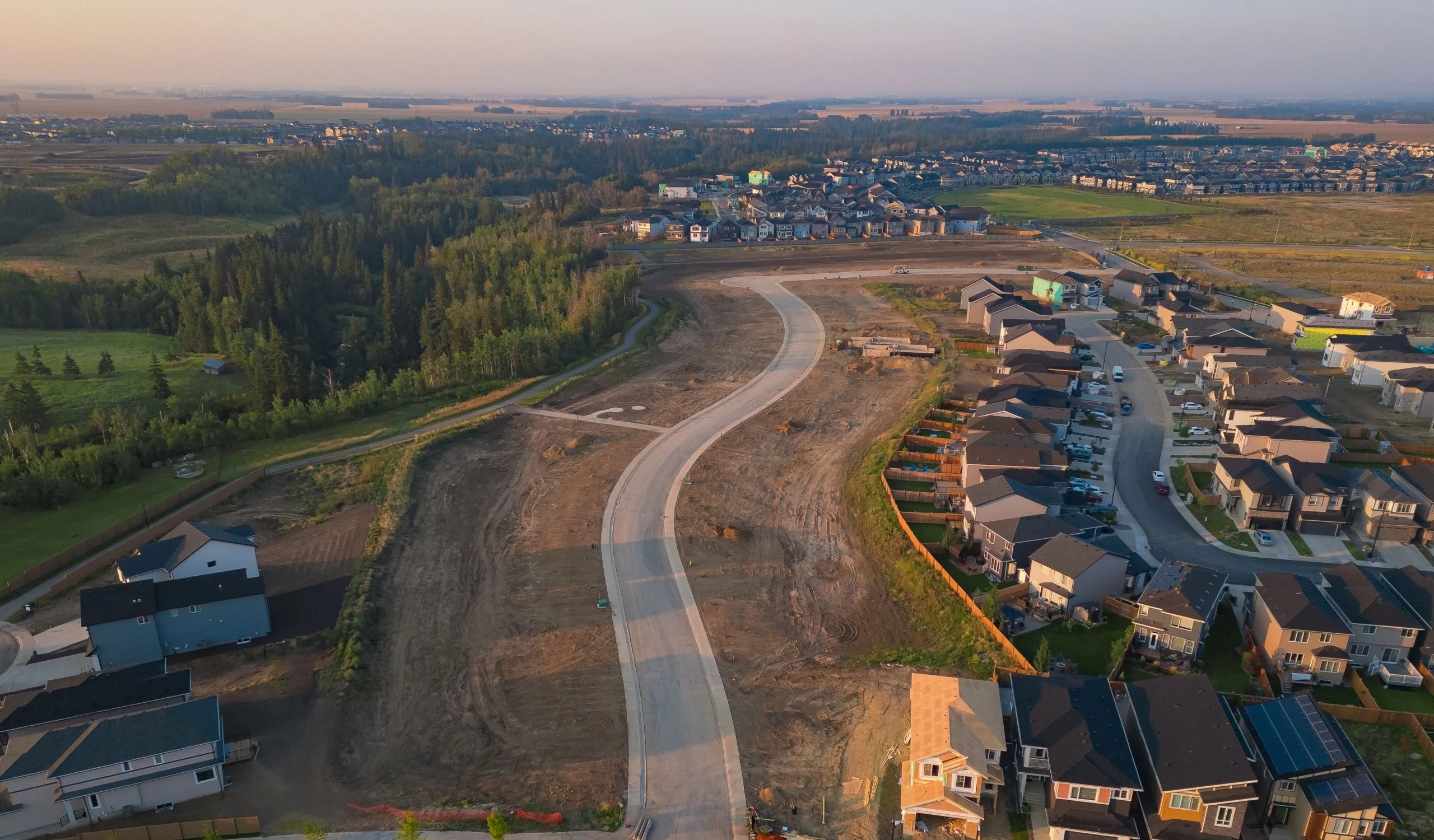
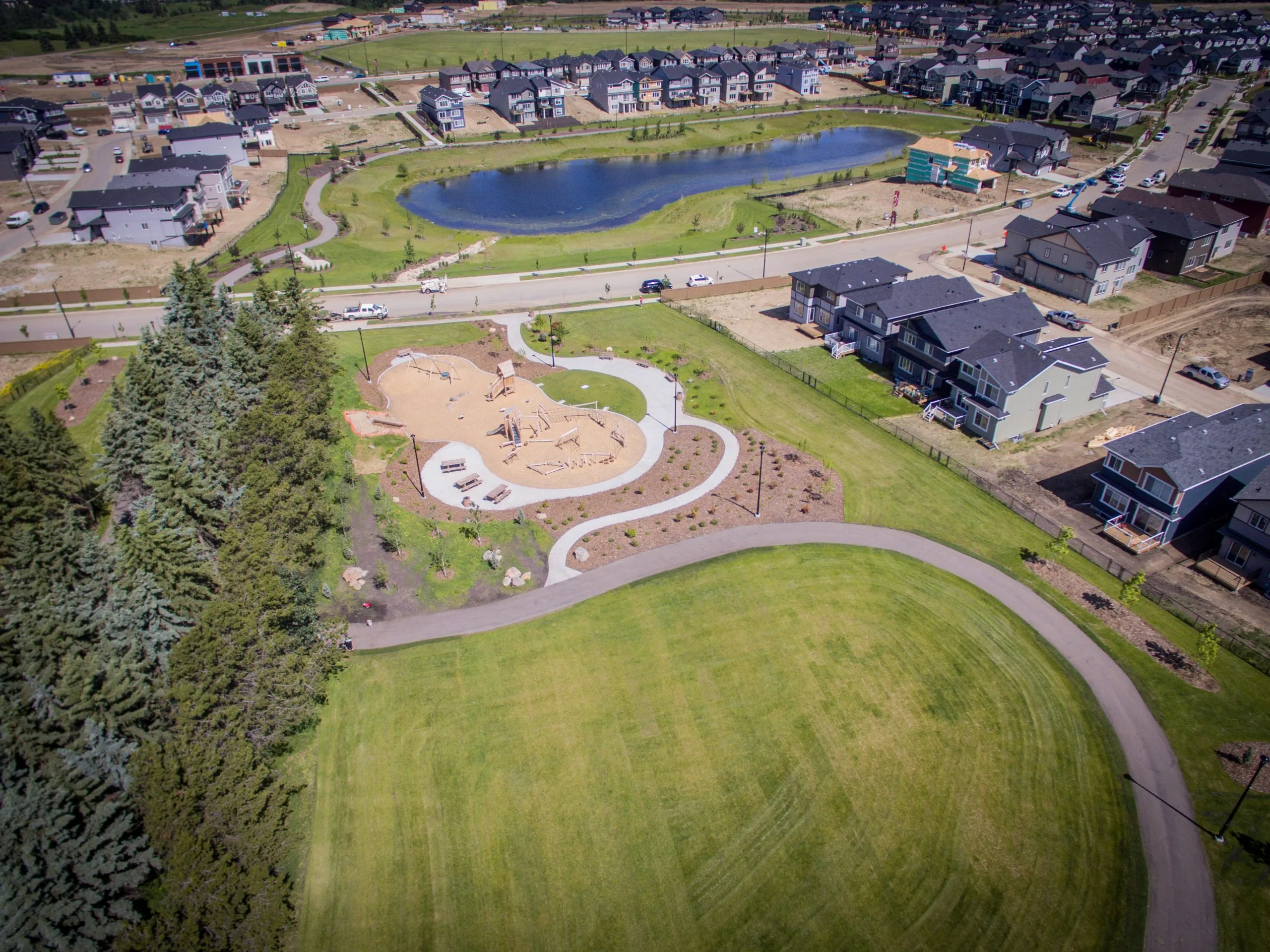
Which comes first, the chicken or the egg? When it comes to community development, the answer can just be as confounding on whether houses or infrastructure and commercial amenities should come first. But as far as the development of lands south of 41st Avenue is concerned, residents in adjacent communities can only stand to gain when planning for this critical land finally hatches.
Earlier this month, BILD Edmonton Metro, the Edmonton Chamber of Commerce, and CREDA Edmonton Region, called on the City of Edmonton to approve planning for the development of lands south of 41st Avenue to spur not only housing and commercial development but the improvement of critical infrastructure in the area as well.
BILD Edmonton Metro CEO Kalen Anderson says the much-needed improvement of infrastructure in the area, including of the 41st Avenue thoroughfare, will likely only happen once the development of new communities to its south begins, which, in turn, hinges on City Council’s approval when the decision is tabled in the first quarter of 2027.
“One of the major constraints in the mobility network for this part of town is 41st Avenue. It’s not upgraded to a level that will service the traffic very well,” she tells reporters at the event. “And what’s actually needed to expand that roadway is development on the other side of 41st.”
When it comes to funding infrastructure, developers are the ones who frontload the costs of building a community, making significant investments upfront that support its long-term growth. As BILD Edmonton Metro’s Urban Growth Case Study outlines, developers are investing more than $3.2 billion in Heritage Valley and Windermere, including $2.4 billion in road infrastructure alone.
Anderson says planning is critical for development to fulfill its potential, and getting the approval from City Council to agree to this is the first steps for growing residential, commercial, and industrial amenities, and the infrastructure improvements that go with that. Thoughtful planning with intent will determine how the area grows and determine how future residents in the area will get to live their lives.
She notes that once 41st Avenue is expanded and the major connections along 170th Street to the airport are completed, the area will benefit from a much more efficient and connected transportation network. This will further influence the City’s future housing supply, affordability, infrastructure investment, and economic competitiveness. More importantly, it will influence how Edmontonians live their lives.
Growth is certainly in the forecast as BILD Edmonton Metro’s Urban Growth Case Study also finds that development of this land can result in an estimated $60 million dollar surplus annually from tax revenue in the study area alone. That money can then be used to supplement the city-wide budget and support infill investments, transformative projects, and signature initiatives.
This growth potential cannot be understated, as Heritage Valley is already home to more than 62,900 residents – comparable to the population of Grande Prairie. Windermere is expected to reach 74,000 residents in the coming decade – outpacing the population of Medicine Hat. Combined, these areas will support approximately 171,000 Edmontonians at full development.

Getting the approval through Council is the challenge. Approval for the planning of development of lands south of 41st Avenue has stalled in the Edmonton City Council since the approximately 9,000-hectare area was annexed by the city in 2019.
Through that time, and as adjacent communities like Desrocher and Chapelle Gardens grew, the two lanes of 41st Avenue have proven inadequate in handling the increased traffic in the area.
“Investment in infrastructure follows development. It doesn’t just happen,” Anderson points out. “We are not just going to be building roads. We need to be building the communities with them. So, it might sound counterintuitive, but building more neighbourhoods and more housing is actually part of the solution to reducing that congestion and optimizing our transportation network.”
It’s not just the roadways that stand to improve with the developments of lands south of 41st Avenue. Roby Holstein, Executive Director of CREDA Edmonton Region says this will also unlock the growth of industrial and commercial areas in the region.
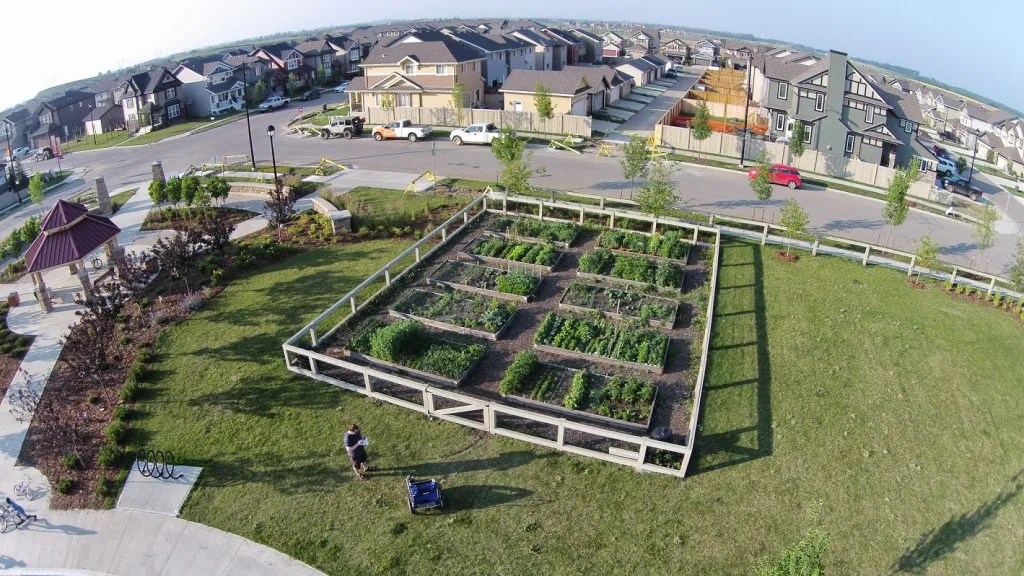
“The south side is connected to a much larger economic corridor. Edmonton International Airport, Nisku, Leduc, Beaumont and the surrounding region are linked through the movement of people, goods, services and investment,” Holstein says. “Businesses make decisions based on access to workers, transportation, customers and the places where people want to live. Those pieces need to work together.”
She warns that there is a danger of missing out on commercial investments should the development plans for areas south of 41st Avenue stall much longer, and other municipalities may attract more of the business investments that Edmonton might otherwise get.
“Leduc County and Parkland County industrial economies are booming, and City of Edmonton has a real opportunity to retain that investment and keep it within the ring road of Edmonton, or they have to accept that they’re going to continue to lose it to the competing municipalities.”
The event also saw the launch of BILD Edmonton Metro’s This Is Where We Land campaign that lays out in detail what this development means for the region.