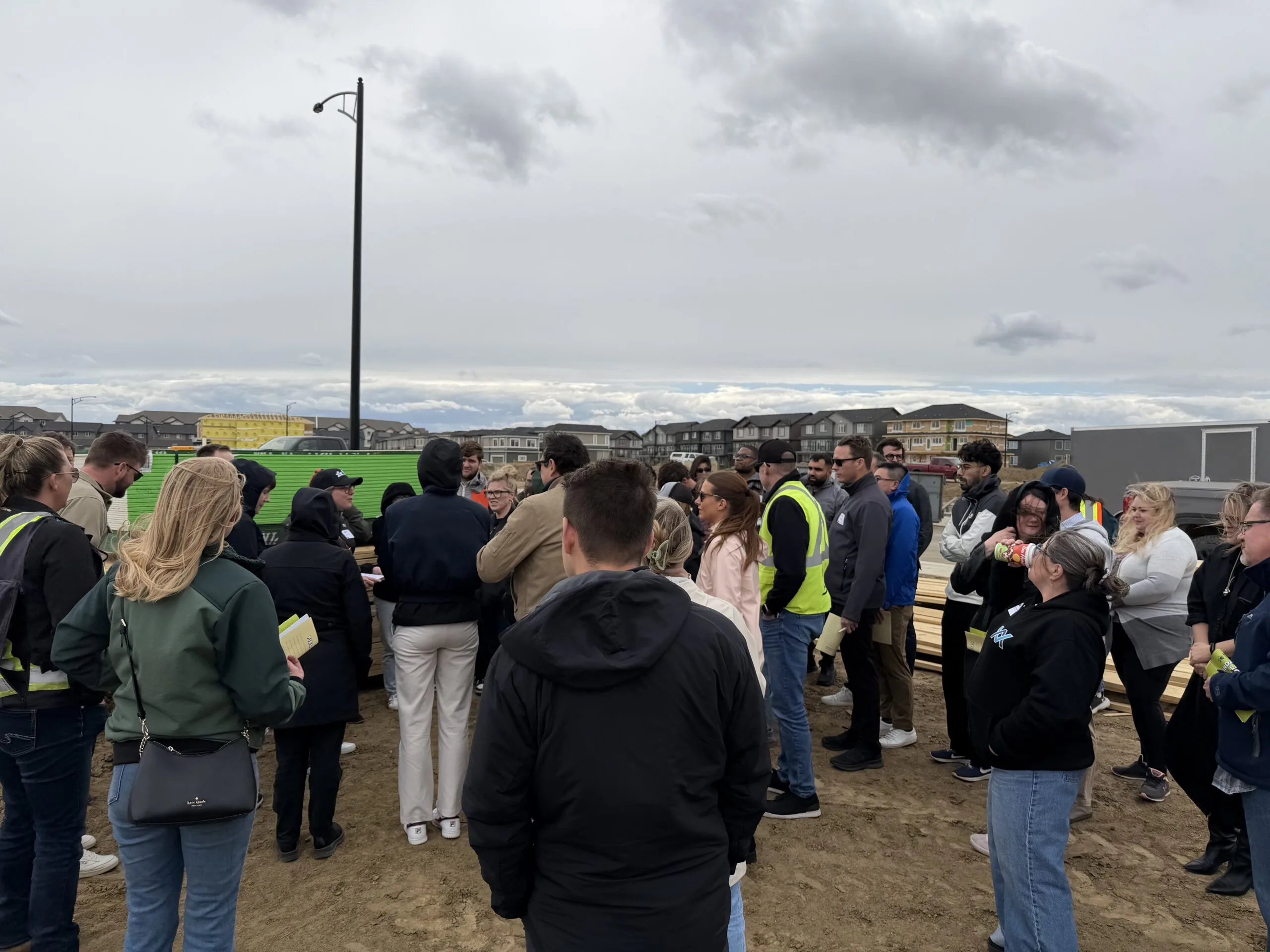
At BILD Edmonton Metro, we often say that the worst place to plan a city is behind a desk.
Cities are meant to be experienced firsthand — by walking their streets, visiting their neighbourhoods, and seeing how policy, design, and construction come together to shape the places where people live, work, and connect. That belief is at the heart of our Field Trips program.
These tours invite all types of city builders — developers, homebuilders, planners, elected officials, academics, and community leaders — to step outside the boardroom and into the communities that are transforming our region. They provide an opportunity to engage directly with the people designing and building our neighbourhoods, and to better understand both the challenges and opportunities involved in creating great places.
Over the past several years, BILD Edmonton Metro has hosted tours on a wide range of topics: downtown revitalization, post-secondary institutions as city-building anchors, industrial and commercial development, housing innovation, and neighbourhood-specific explorations such as The New Old Strathcona, the Oliverbahn, and even how ice cream shops can signal walkability and redevelopment potential.
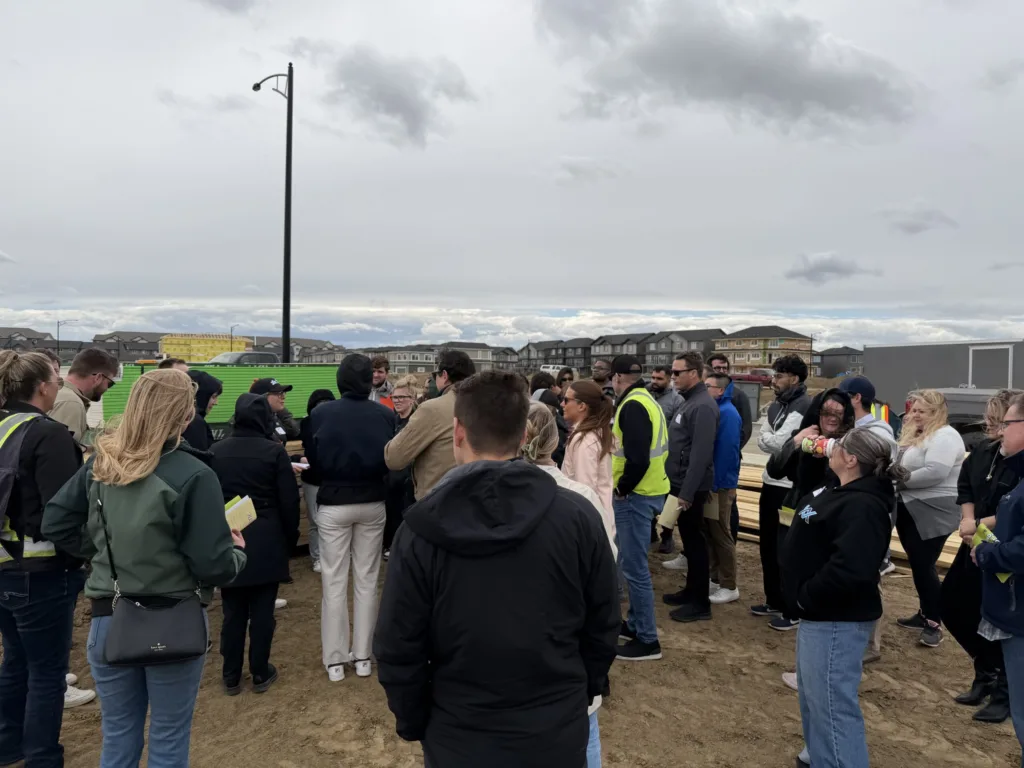
Collectively, these Field Trips have covered nearly 1,000 kilometres, brought together hundreds of community leaders, and welcomed thousands of participants.
These tours do more than showcase innovation — they help shape it. By highlighting successful projects and encouraging candid discussions about barriers, risks, and opportunities, Field Trips create a forum where ideas are tested, partnerships are strengthened, and better solutions emerge. They reveal how collaboration between the public and private sectors is translating policy into real-world outcomes. That collaboration is one of the Edmonton region’s greatest strengths.
Across our metropolitan area, municipalities and the development industry are working together to build communities that are more inclusive, diverse, and resilient. New neighbourhoods are offering a broader mix of housing options and amenities. Established areas are evolving through thoughtful infill and redevelopment. Parks, trails, and sustainable infrastructure are connecting residents to nature. Privately owned lands are being reimagined as mixed-use hubs that foster economic growth, newcomer integration, and a high quality of life.
These are the stories that deserve to be told.
Infill Policies in Action
On May 12, BILD Edmonton Metro hosted Vancouver journalist Uytae Lee, creator of the widely followed YouTube channel About Here. Together, we explored how Edmonton’s infill policies are translating into tangible housing outcomes across the city.
The tour began in Midtown in St. Albert, where Averton President and CEO Paul Lanni showcased a master-planned community featuring more than 115 homes that demonstrate “gentle density” through ground-oriented missing-middle housing. Integrated seamlessly into a traditional suburban setting, these homes expand housing choice while maintaining neighbourhood character.
In Blatchford, Kevin Read led a tour of energy-efficient ground-oriented and medium-density homes that illustrate the long-term potential of one of Canada’s most ambitious sustainable communities.
We then visited a 19-unit development by StreetSide Developments Edmonton, where Vice President Nicholas Carels discussed how established neighbourhoods can evolve through carefully integrated higher-density housing that respects existing character while adding much-needed supply.
The tour concluded at Autograph Group’s purpose-built rental developments, The Mercury Block and The Cobalt, which feature diverse housing options, active frontages, and amenities designed to fit seamlessly into surrounding communities.
Across every stop, developers and builders spoke candidly about the complexity and risk involved in delivering infill housing. What stood out most was their shared commitment to making Edmonton more livable, resilient, and welcoming. By the end of the day, Uytae was even considering a move to Edmonton!
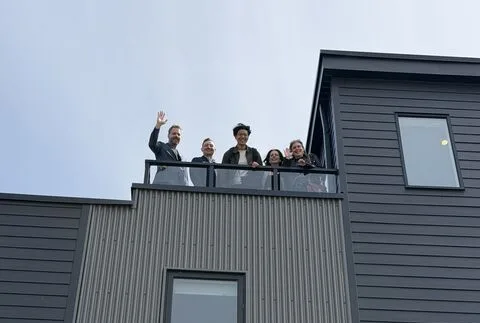
Dirt to Door: Foundations of Land Development
On May 14, we hosted the first Dirt to Door Field Trip of 2026: Foundations of Land Development.
Designed for participants interested in the technical side of community building, Dirt to Door tours offer a behind-the-scenes look at how neighbourhoods are created — from financing and land acquisition to engineering, infrastructure installation, and home construction.
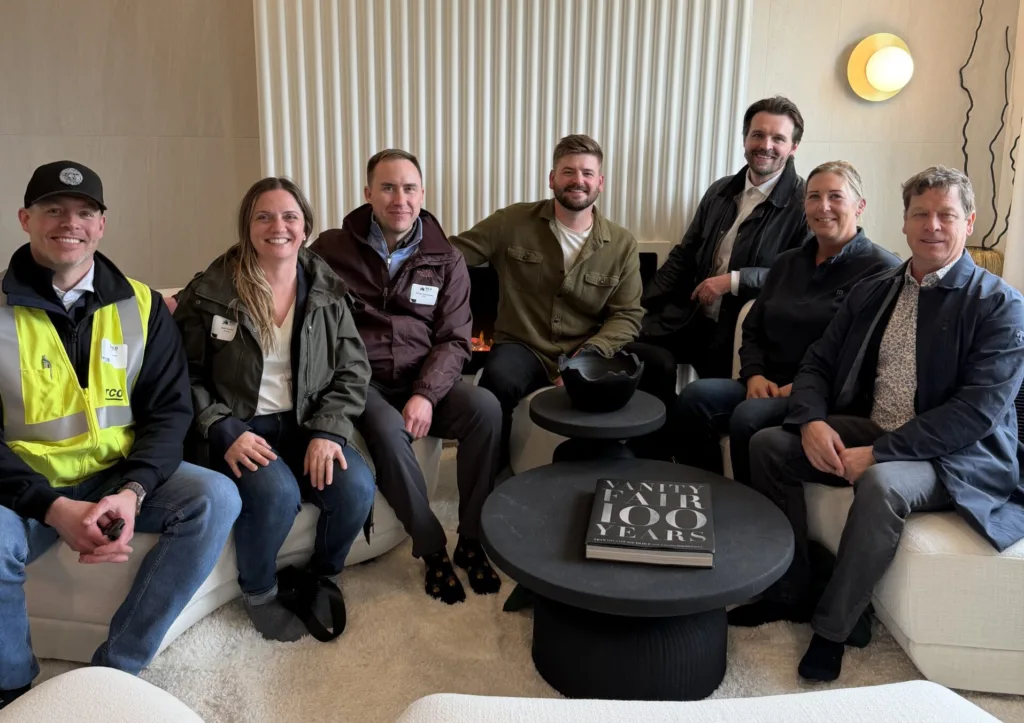
Moderated by NAC Management President Chris Nicholas, the tour featured insights from experts like Kairi Pawlina of CIMA+ / B&A, Michael Shankowsky of WSP Canada, Nathan Barr of GS Construction, Crystal Pihowich of WCL, Reed Thacker of ATCO, and Matthew Lecky of San Rufo Homes.
Attendees toured Rosemont, a community developed by NAC Management, and learned how design and engineering drawings are translated into roads, utilities, parks, landscaping, and homes. Discussions covered financing, neighbourhood design reports, stormwater solutions, utility coordination, telecommunications, and the critical handoffs between engineers, contractors, and builders.
The result was a comprehensive, ground-level understanding of how thoughtful planning and collaboration transform raw land into thriving neighbourhoods.
Why These Tours Matter
Field Trips are one of the most powerful tools we have to tell the story of city building. They show that communities do not emerge by accident. They are the product of vision, technical expertise, investment, and partnerships across many disciplines. They demonstrate how policies become homes, how infrastructure creates opportunity, and how collaboration produces better outcomes for residents.
Most importantly, they help us share the story of a region that is building for the future — a metropolitan area with a strong central city, welcoming communities, and the ambition to attract talent, investment, and new residents from around the world.
When people see great communities firsthand, they gain a deeper appreciation for what it takes to create them. And when we continue telling these stories, we strengthen the shared understanding and support needed to keep building an inclusive, prosperous, and resilient Edmonton region.
Written by Jason Syvixay