Your Pinterest Board Can’t Design Your Home
Pinterest can inspire the look. It cannot design around your life.
Before drawings, finishes, or floor plans, a designer needs to understand how the people in the home actually live. Do they cook every night? Work from home? Host every weekend?
Because two families could live in the exact same house and need completely different things from it.
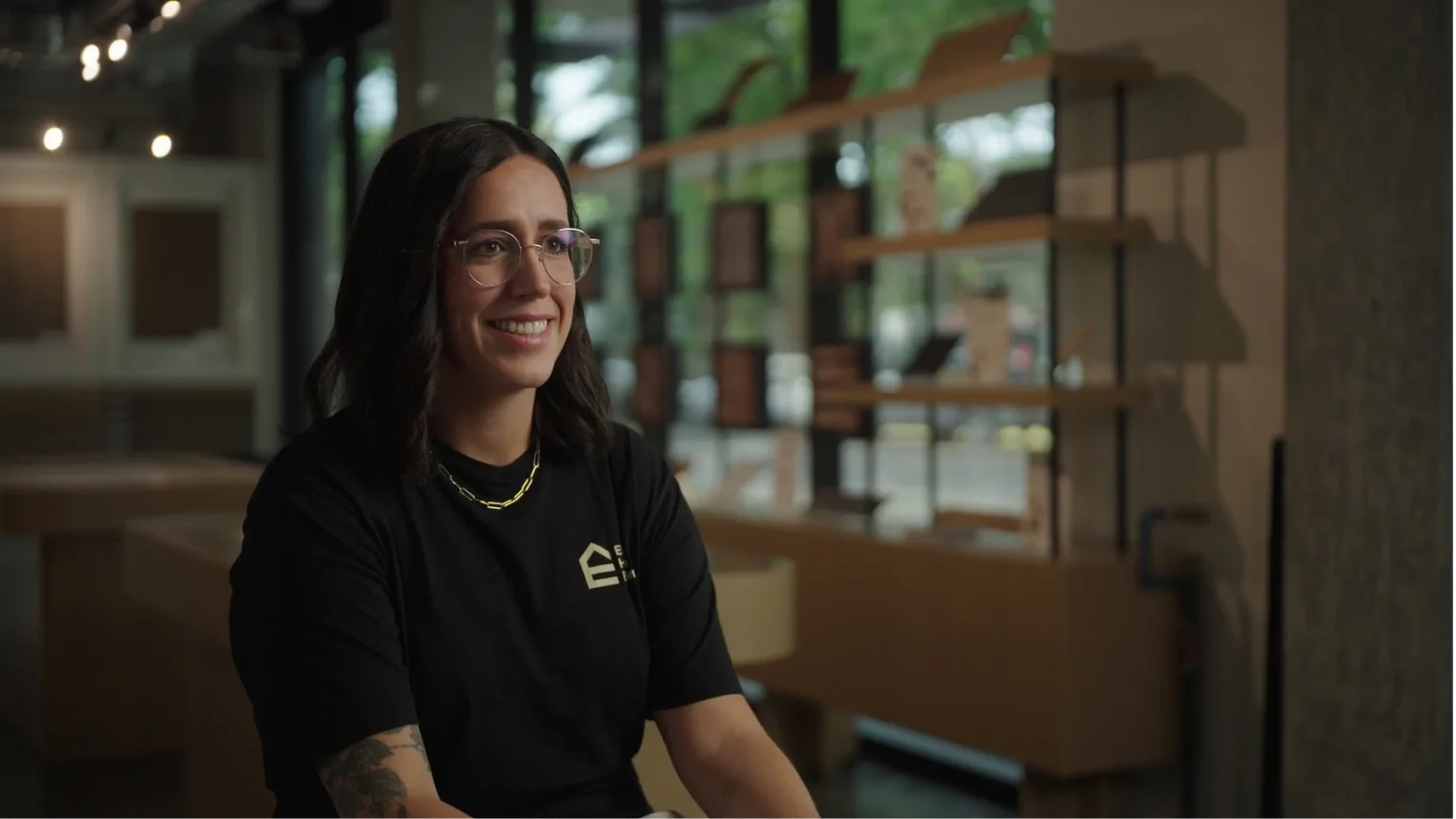
According to Patricia Egea Leal, the design process starts somewhere much simpler: with a conversation. When working with an existing home, there are already walls, windows, structural elements and sometimes decades of history to work around. Rather than seeing those as limitations, Patricia sees them as part of the challenge.
“A homeowner may come in with a big vision, but the renovator and designer have to figure out how to make that vision work within the realities of the home and the budget. That does not always mean choosing the most expensive materials or latest finishes either. Sometimes the biggest difference comes from moving a wall, improving how two rooms connect, bringing in more natural light or finding a creative way to use materials.”
Trends are inspiration, not the goal
Anyone who has renovated knows how easy it is to get pulled toward what is trending. But trends are best used as inspiration, not the end goal.
The stronger choices are the ones that still feel right years later, whether that means timeless colours, natural materials or bolder details used in places that can evolve over time.
“Great design is about finding the balance between style and function. The right finishes, textures, and lighting can completely transform a room, adding warmth, character, and personality while ensuring the space works for the people who live there every day,” said Jenna Johannesen, Marketing Manager at Park Lighting & Furniture Edmonton.
One recent project of Patricias put that thinking to the test.
The team worked on a historic bungalow overlooking Edmonton’s river valley. The homeowners wanted more space, including a private second-floor suite that could take advantage of the view. There was just one obvious challenge: the house was designed to be a bungalow. The team added a second floor by carefully working with the home’s existing rooflines and proportions, reusing and matching materials to keep the addition consistent with the original design.
That is the challenge of renovation work: making something new feel like it has always belonged.
Designing for more than one homeowner
Renovation can also help homeowners see new potential in a house they thought they had outgrown.
Patricia brought that same design approach to this year’s BILD Edmonton Metro Renovation Project at YESS.
The team focused on two heavily used spaces, the recreation room and youth dining area, and looked at how those spaces were actually being used.
In her assessment, Patricia said some of the furniture was bulky, outdated or simply did not work for the people using it. So the design process was less about giving the rooms a cosmetic refresh but more about rethinking the entire experience of the space.
That meant looking at furniture, layout, flow, paint and materials, and asking the question: what would make these rooms more comfortable and more useful every day? The goal was to create spaces that feel better, function better and ultimately get used more.
“Different spaces may call for different solutions, but the starting point is always the same. Whether it is a historic bungalow, a family home or a shared space at YESS, the design process keeps coming back to the same thing: how people actually use the space,” Patricia concluded.
A Pinterest board can help shape the vision. But turning that vision into a space that feels right, functions better and lasts for years takes something more — thoughtful design, collaboration and a good understanding of the people who will live with it every day.